SmartBirds

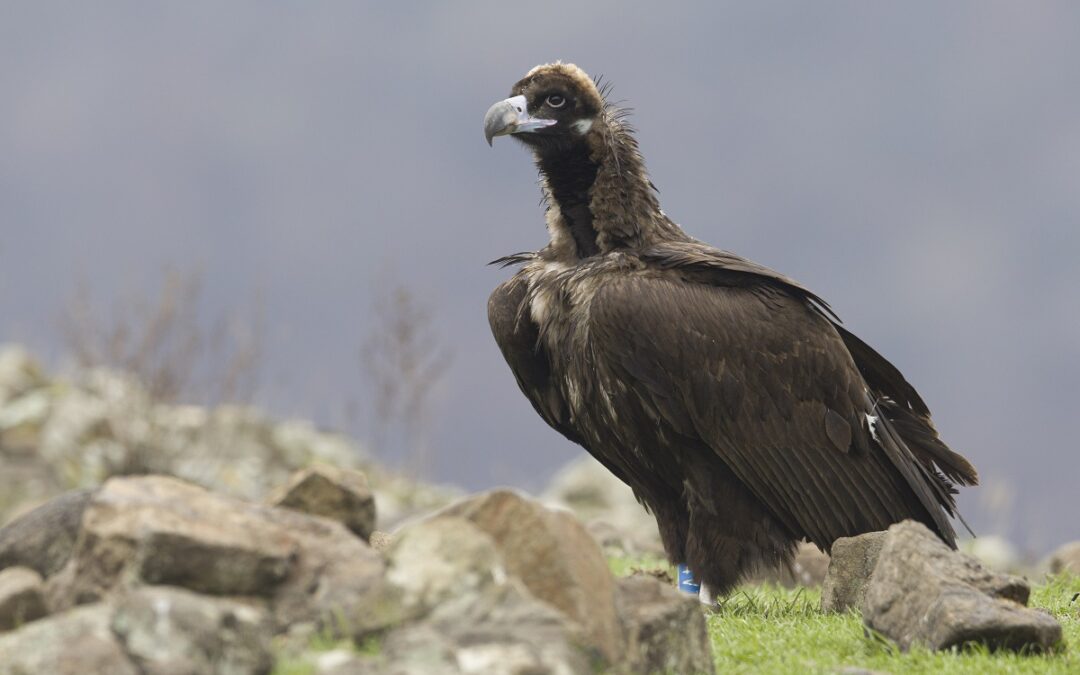
Photo: © Bigdan Boev
Five organisations call for answers after the bird’s GPS transmitter was found in a river with its harness cut.
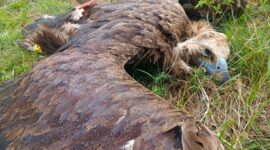
A young Cinereous Vulture from a reintroduction programme in Bulgaria has disappeared under suspicious circumstances in the Austrian Alps. Its GPS transmitter was found in the Salzach River with its harness cut, raising fears that the protected bird may have been illegally shot and its body removed. Austrian criminal police are investigating the case.
The Cinereous Vulture hatched in Spain in 2024 and was transferred to Bulgaria thanks to the Spanish non-governmental organisation GREFA (Grupo de Rehabilitación de la Fauna Autóctona). The bird was brought to Bulgaria as part of the LIFE project “LIFE Rhodope Vulture” and released into the wild in 2025 in the Bulgarian Rhodopes mountains, on the border with Greece. This summer, it travelled to the Austrian Alps, where it spent time alongside Griffon Vultures.
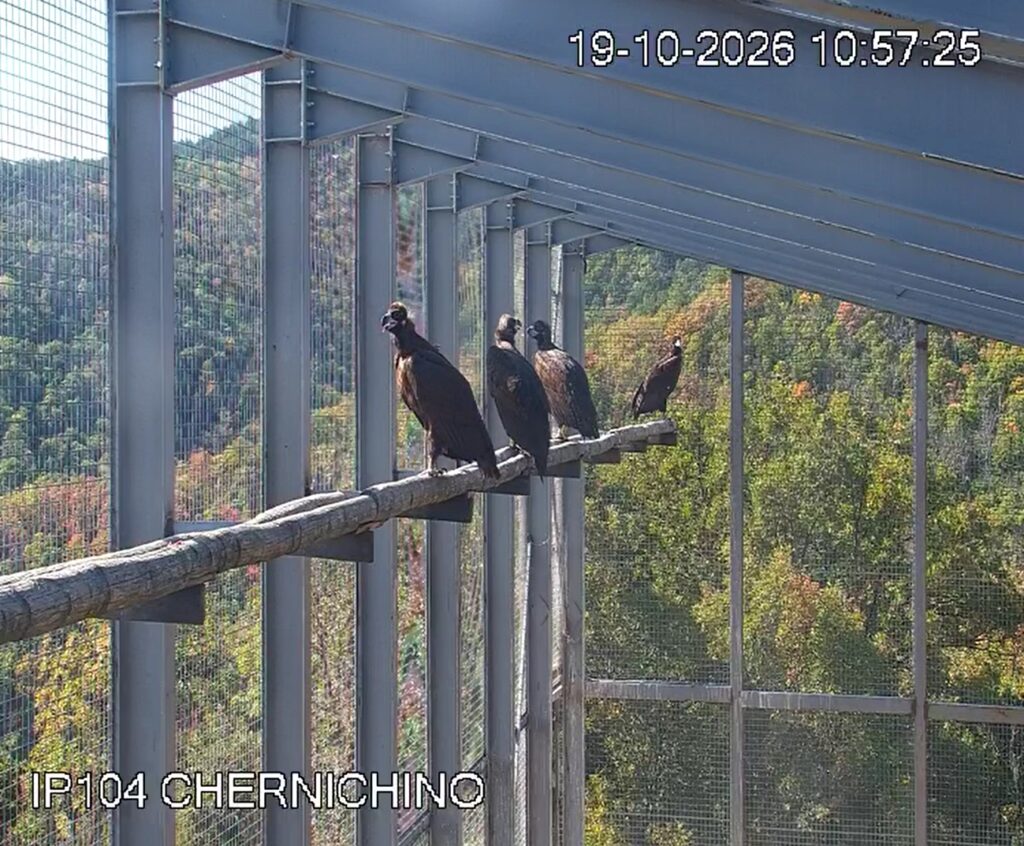
The bird’s last recorded movements were in Salzburg’s the Grossarl valley in Salzburg in the beginning of October. After the bird settled in a tree to roost, its transmitter suddenly recorded unusual movements.: The tag then appeared to travel along a road and down the valley before ending up in the river, where it was recovered some time later from the river.
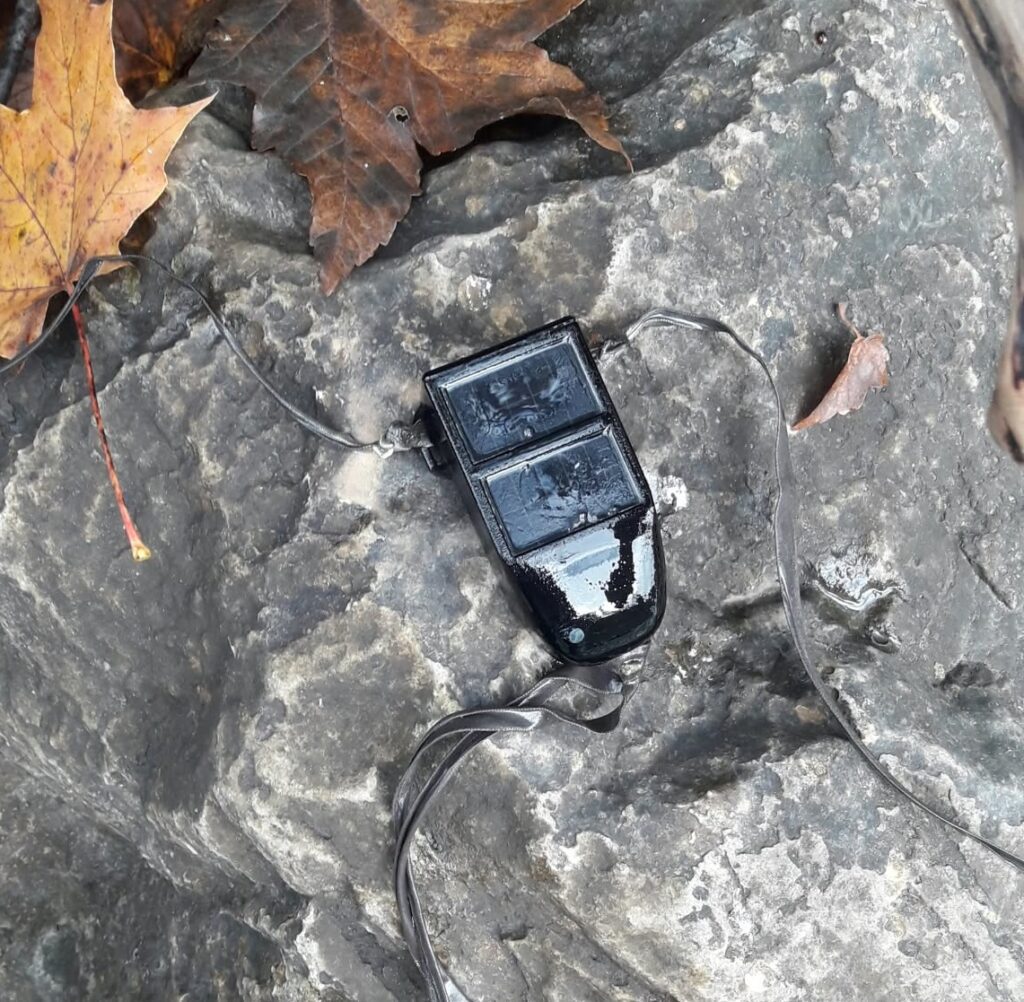
Photo: © BirdLife Austria
Based on the transmitter data, BirdLife Austria suspects that the vulture was the victim of a wildlife crime illegally killed, although iIts body has not been found yet and the exact circumstances suspected shooting remains unconfirmed. Police are examining the transmitter and cut harness for possible forensic evidence.
The disappearance follows a serious poisoning incident in Austria’s Lesachtal region, where six Griffon Vultures were found dead and another in critical condition say when / date. Laboratory tests confirmed poisoning with carbofuran, a pesticide banned in the EU since 2008. To the organisations’ knowledge, up to now nobody has been held accountable.
The Austrian Alps are an important summering area for Griffon vultures, and they also hold an important breeding population of bearded vultures. At least five different Cinereous Vultures also visited Hohe Tauern National Park in 2026, the highest number recorded there so far.
Young vultures often travel long distances before reaching breeding age and settling in a particular area. The missing bird’s journey from Bulgaria to Austria was part of this natural behaviour. However, illegal killing remains a threat even far from reintroduction sites.
“Restoring the Cinereous Vulture population requires years of work, substantial financial resources and international cooperation. Losing even one bird to illegal killing is a serious setback for these efforts,” comments Dr Dobromir Dobrev, project manager at the Bulgarian Society for the Protection of Birds (BSPB).
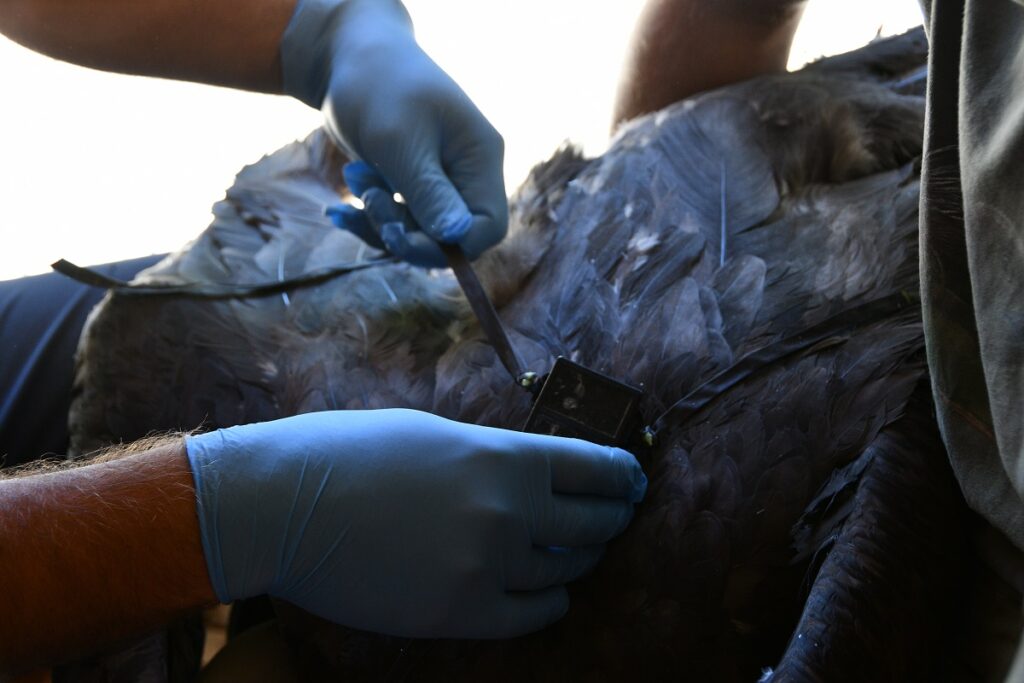
Photo: © Iordanka Goranova/BSPB
BirdLife Austria, Hohe Tauern National Park, the Vulture Conservation Foundation (VCF), the Bulgarian Society for the Protection of Birds (BSPB) and Rewilding Rhodopes welcome the police investigation and urge the Austrian authorities to follow up on every possible lead. If the bird is found to have been illegally killed, those responsible must be identified and brought to justice. Under Austrian law, such offences can carry a prison sentence of up to two years.
The reintroduction activities in the Eastern Rhodopes are part of the LIFE project ”Restoration of the Cinereous vulture population and trophic chain in the Bulgarian-Greek cross-border region“, implemented on the Bulgarian side by the Bulgarian Society for the Protection of Birds in collaboration with Rewilding Rhodopes Foundation. The project (No. 101148254 — LIFE23-NAT-BG-LIFE Rhodope Vulture) is co-financed by the European Union’s LIFE program and Rewilding Europe. The Cinereous Vultures are provided by the Spanish NGO GREFA (Grupo de Rehabilitación de la Fauna Autóctona), which has long been working for the rescue and rehabilitation of injured wild birds.